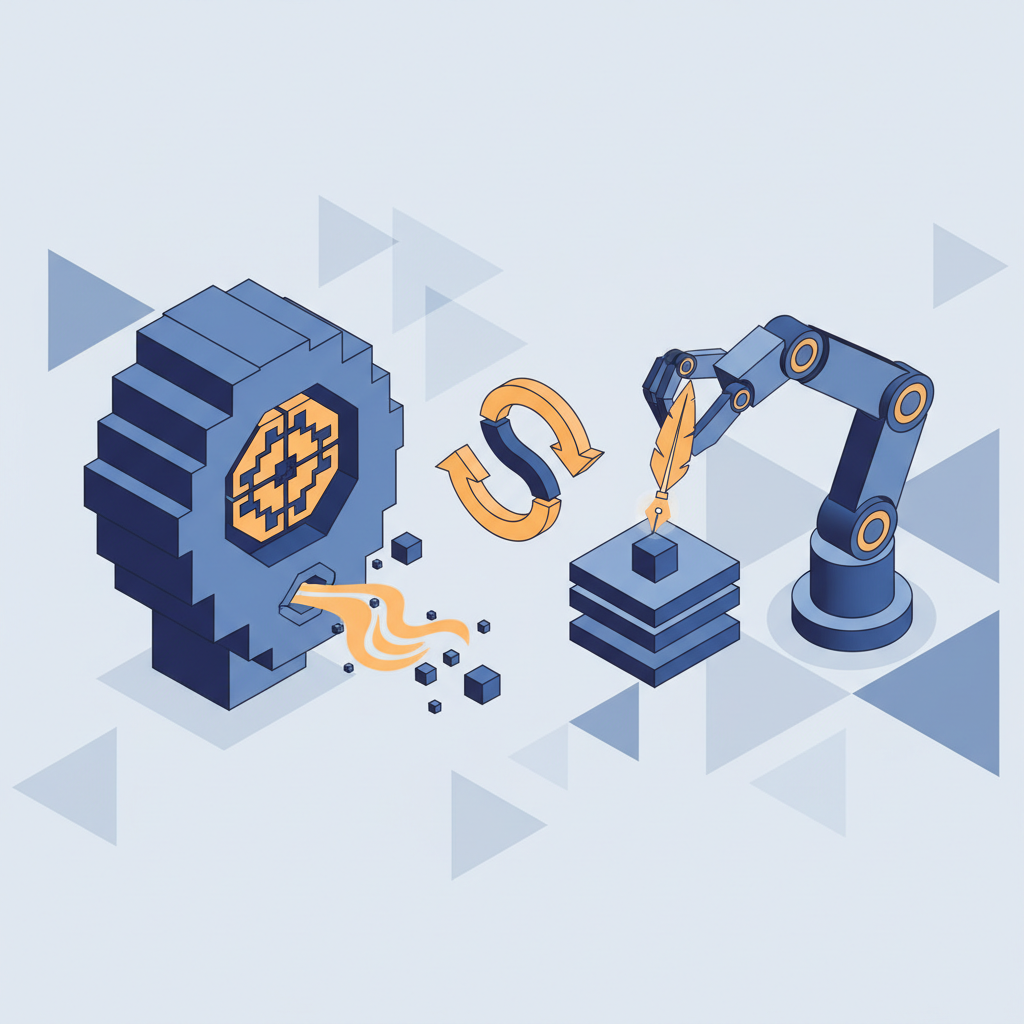
Artificial intelligence has transformed the copywriting landscape. Tools like ChatGPT, Claude, and specialized AI writing platforms can generate content in seconds, at a fraction of traditional costs. So why would anyone still hire a human copywriter in 2026? The answer is more nuanced than you might think. While AI has democratized content creation, human copywriters bring irreplaceable value that machines simply cannot replicate—at least not yet. This post explores when you should invest in human talent and when AI might be sufficient for your needs.
The Rise of AI Copywriting: What's Changed
The past few years have seen remarkable advances in AI writing capabilities. Modern language models can:
- Generate polished first drafts in minutes
- Adapt tone and style to different audiences
- Optimize for SEO keywords and readability
- Produce content at scale without fatigue
- Maintain consistency across multiple pieces
For businesses operating on tight budgets or tight timelines, AI copywriting tools have become genuinely useful. They've lowered the barrier to entry for startups and small businesses that previously couldn't afford professional copywriting services. This democratization is real, and it's valuable.
However, the existence of these tools doesn't mean human copywriters have become obsolete. Instead, the market has simply segmented. Some writing tasks are better suited to AI, while others still demand human expertise.
What AI Copywriting Does Well (And Where It Falls Short)
AI excels at:
- Volume and speed: Generating hundreds of product descriptions, email subject lines, or social media posts quickly
- Structural consistency: Following templates and formatting guidelines reliably
- SEO optimization: Incorporating keywords naturally while maintaining readability
- Tone matching: Adapting to brand voice guidelines you've defined clearly
- Routine content: Blog post introductions, FAQ answers, or basic landing page copy
AI struggles with:
- Authentic brand voice: AI can mimic a voice, but it can't truly embody your company's personality or values
- Emotional resonance: Creating copy that genuinely moves people to action requires understanding human psychology at a deeper level
- Strategic thinking: Understanding your competitive landscape and positioning your business uniquely
- Cultural nuance: Navigating humor, idioms, and cultural references without awkwardness
- High-stakes copy: Copy that directly impacts revenue (sales pages, pitch decks, investor materials) benefits from human judgment
- Factual accuracy: AI can hallucinate or present outdated information as current fact
When You Should Hire a Human Copywriter
Several scenarios still strongly favor human copywriting talent:
1. You're Selling High-Ticket Products or Services
If your average customer lifetime value is significant, the ROI on hiring a skilled copywriter is exceptional. A copywriter who can increase conversion rates by even 2-3% on a high-ticket offer will pay for themselves many times over. This is where persuasion and psychological understanding matter most.
2. Your Brand Identity Is Complex or Distinctive
If your brand has a unique voice, philosophy, or positioning that's central to your marketing—think Mailchimp's quirky tone or Apple's minimalist elegance—a human copywriter who understands your brand deeply will create more authentic, effective content than an AI trained on generic patterns.
3. You Need Strategic Guidance, Not Just Words
Great copywriters don't just write; they think strategically about messaging, positioning, and customer psychology. They ask questions like: "Who is your actual customer?" "What transformation do you offer?" "What objections need to be overcome?" These conversations drive better outcomes than simply feeding a prompt to an AI.
4. You're Operating in Regulated Industries
Healthcare, finance, legal services, and other regulated sectors require copy that's not just persuasive but compliant. Human copywriters with industry experience understand these nuances. AI can easily generate copy that sounds great but violates regulations.
5. You Need Original Research or Reporting
AI can't conduct interviews, analyze original data, or report on events it hasn't been trained on. If your content strategy relies on original insights, thought leadership, or investigative reporting, you need humans.
A Hybrid Approach: The Smart Strategy for 2026
Rather than viewing this as an either/or decision, the most effective approach for most businesses is hybrid. Use AI and humans where each excels:
- Use AI for: First drafts, content scaling, routine copy, ideation, and rapid iteration
- Use humans for: Strategy, editing, fact-checking, brand voice refinement, and high-impact copy
Example workflow: Your copywriter creates a strategic brief and outline for a landing page. AI generates 3-4 draft versions based on that brief. Your copywriter selects the strongest version, refines the messaging, injects brand personality, and ensures emotional resonance. The result is faster than pure human writing and better than pure AI output.
This approach also keeps your copywriter focused on high-value work rather than grinding out first drafts. It's more cost-effective than hiring a full-time copywriter while producing better results than relying entirely on AI.
The Skills That Make Copywriters Irreplaceable
If you're considering hiring a copywriter, look for these human-centric skills that AI can't replicate:
- Empathy and psychology: Understanding customer pain points at an emotional level
- Strategic thinking: Connecting copy to business objectives and customer journeys
- Curiosity: Asking questions to uncover insights that improve messaging
- Adaptability: Pivoting strategy based on performance data and feedback
- Judgment: Knowing when to break rules, when to be bold, and when to be cautious
These skills develop through experience, client relationships, and continuous learning—not through training data alone.
In 2026, the question isn't really "Should I hire a copywriter or use AI?" It's "How do I use both to create the most effective marketing possible?" For many businesses, the answer will involve both. AI handles the repetitive, high-volume work. Human copywriters focus on strategy, brand voice, and the copy that directly impacts your bottom line.
The copywriters who thrive in 2026 won't be competing on speed or volume—they'll be competing on strategy, insight, and results. If that's what you need, hiring one is still absolutely worth it.